
EN1176 safety standards set the benchmark for playground equipment safety across the UK and Ireland. When it comes to children’s playground equipment, safety is paramount, and BS EN 1176 represents the recognised framework for protecting children while still allowing for challenging, developmental play experiences.
Whether you are a school planning new play equipment, a local authority managing public spaces, or a commercial operator installing equipment for a holiday park or hospitality venue, understanding EN1176 compliance is essential. This guide explains what the standards cover, who must comply, and what compliance means in practice.
What is BS EN 1176?
BS EN 1176 is the British-adopted European standard that defines safety requirements for public playground equipment and impact-absorbing surfacing.
It applies to:
- Schools and academies
- Local authority playgrounds
- Commercial play areas
- Holiday parks and leisure sites
- Public outdoor learning environments
The standards aim to eliminate “unacceptable risks” while allowing children to experience appropriate challenge. Good risk supports development. Bad risk creates preventable danger.
Understanding the EN1176 Series
The EN1176 standard is made up of several parts, each covering different types of equipment.
EN 1176-1: General Safety Requirements
This foundational standard applies to all playground equipment and covers:
- Materials and construction requirements
- Design principles that minimise foreseeable risks
- Testing methods
- Documentation and marking requirements
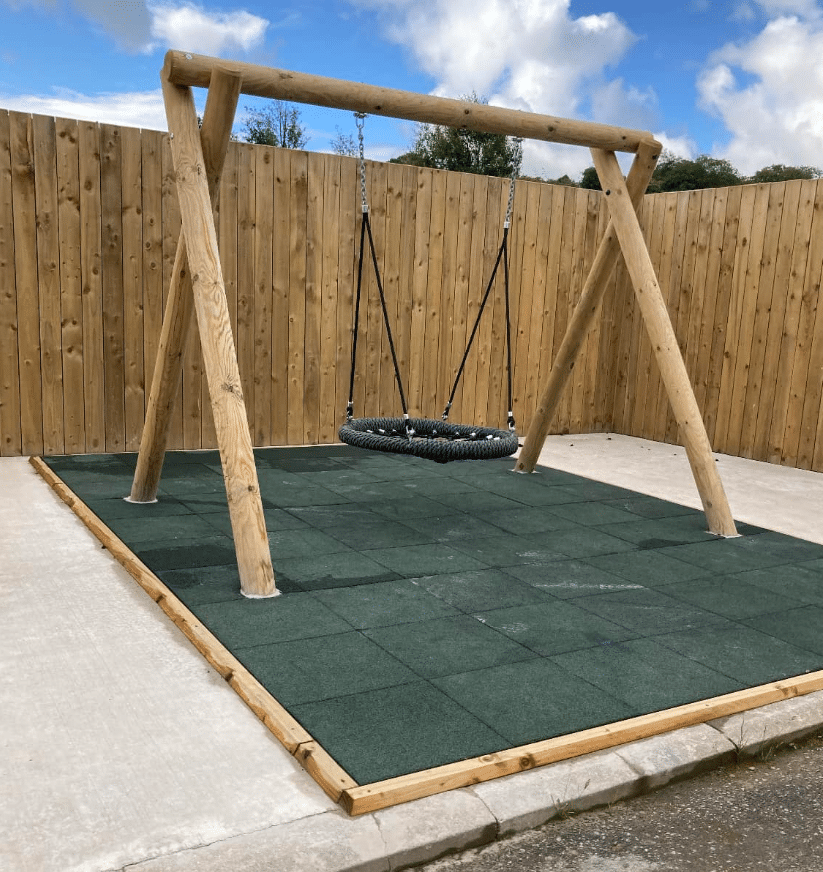
EN 1176-2: Swings
Specific standards for swing equipment, including:
- Seat dimensions
- Chain and bearing specifications
- Maximum fall heights
- Ground clearance requirements
EN 1176-3: Slides
Requirements include:
- Slope gradients
- Run-out lengths
- Side height specifications
- Entry and exit design
EN 1176-4: Runways
Covers rope runs and similar equipment:
- Cable tension
- Platform specifications
- Fall zone calculations
EN 1176-5: Carousels
Includes:
- Maximum rotational speeds
- Grip requirements
- Fall zone dimensions
- Speed limiting mechanisms
EN 1176-6: Rocking Equipment
Applies to:
- Seesaws
- Spring riders
- Rockers
Covers seat dimensions, amplitude limits and moving part clearances.
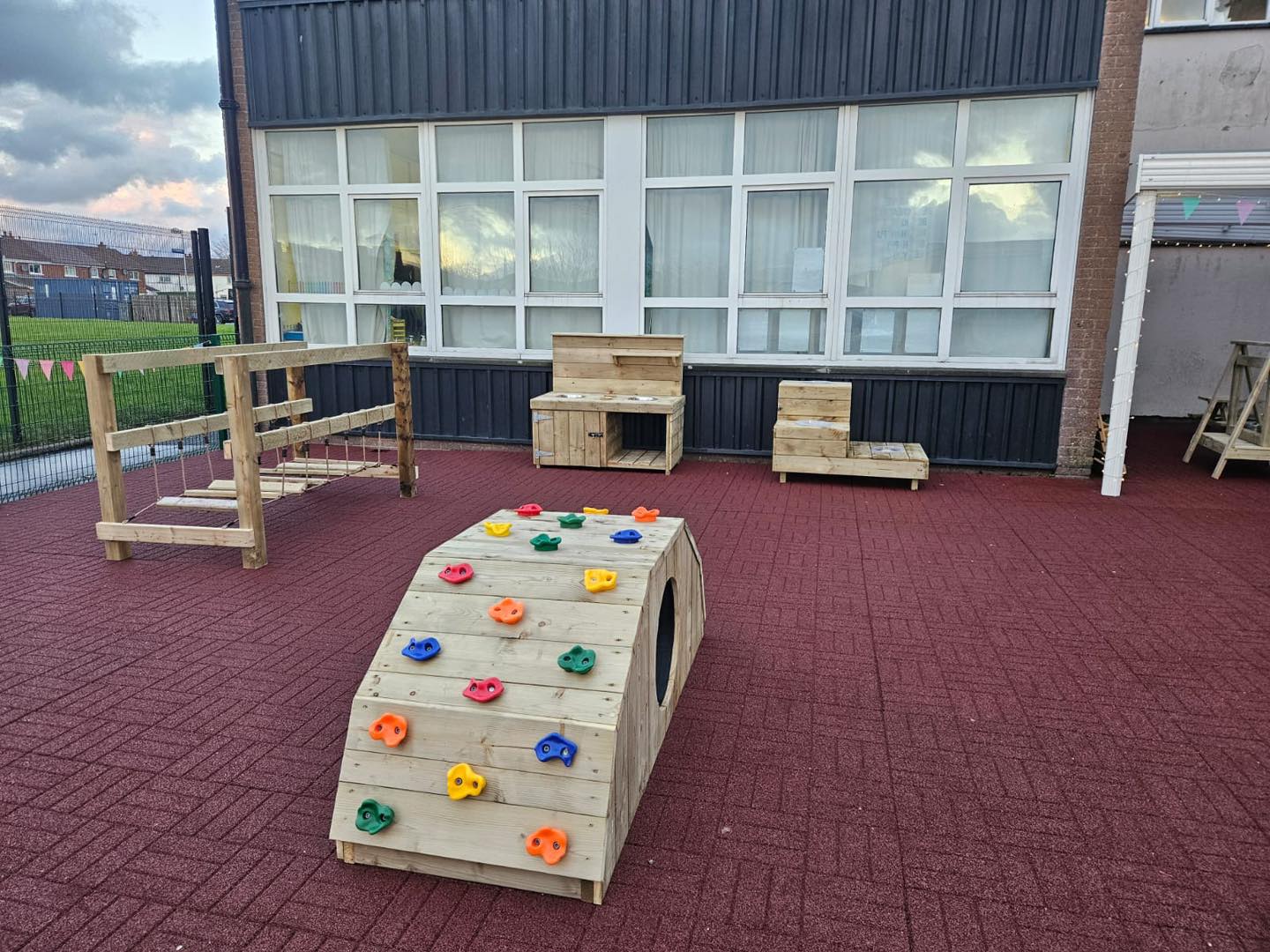
EN 1176-7: Climbing Structures
Particularly relevant for climbing frames. Covers:
- Grip and foothold dimensions
- Structural integrity testing
- Fall prevention measures
- Load capacity
EN 1176-8: Access and Egress
Specifies:
- Ladder and step requirements
- Ramp specifications
- Handrail dimensions
- Platform access safety
EN 1176-9: Accessibility
Focuses on inclusive play by requiring:
- Accessible routes
- Transfer platforms
- Equipment suitable for children with disabilities
- Sensory considerations
EN 1176-10: Fully Enclosed Soft Play
Applies to indoor soft play centres and includes:
Fire safety provisions
Enclosure requirements
Padding standards
Impact absorption
The Companion Standard: BS EN 1177
BS EN 1177 covers impact-absorbing surfacing beneath playground equipment.
It specifies:
- Critical fall height testing
- Impact attenuation performance
- Ongoing maintenance requirements
EN1176 and EN1177 work together to ensure both equipment and surfacing provide adequate protection.
Who Must Comply with EN1176?
While not explicitly written into law, EN1176 has become the recognised benchmark for compliance.
It is typically required by:
- Local authorities
- Schools and academies
- Commercial playground operators
- Insurance providers
In legal cases, compliance is often examined to determine whether duty of care was met.
Legal Implications of Non-Compliance
Playground operators have a duty of care under:
- Health and Safety at Work etc. Act 1974
- Occupiers’ Liability Act 1957 and 1984
- Management of Health and Safety at Work Regulations 1999
Failure to follow recognised standards such as EN1176 may be viewed as negligence.
What EN1176 Compliance Means in Practice
For Manufacturers
Manufacturers must:
Supply installation and maintenance guidance
Design to relevant standard parts
Conduct safety testing
Provide declarations of conformity
Mark equipment appropriately
For Installation Contractors
Installers must:
Complete handover documentation
Follow manufacturer guidelines
Ensure correct foundations and anchoring
Install compliant surfacing
For Playground Operators
Operators must conduct:
- Daily visual inspections
- Weekly operational inspections
- Monthly detailed checks
- Annual RPII-qualified inspections
Maintenance documentation should be retained.
Key Safety Considerations in EN1176
Entrapment Hazards
Openings must not trap heads or limbs.
There must be:
- No dangerous gaps between 60mm and 230mm
- Compliance with testing probes
- Correct angle and spacing requirements
Fall Heights
Free fall heights are limited according to equipment type and surfacing.
Impact Zones
Clear fall zones must be maintained:
- Minimum 1.5m around swings
- Specified zones around slides
- Appropriate surfacing throughout
Sharp Edges and Protrusions
Equipment must be free from:
Rough splintered surfaces
Sharp edges
Exposed bolts
Clothing-catching projections
Selecting Compliant Equipment
When sourcing equipment, request:
- Declaration of conformity
- Certification documentation
- Installation instructions
- Maintenance schedules
- Warranty information
Look for:
- Manufacturer identification
- Year of manufacture
- Reference to EN1176 parts
Maintenance and Inspection Requirements
Maintaining EN1176 compliance is ongoing.
Daily Checks
- Visible damage
- Loose fixings
- Surface condition
Weekly Checks
- Moving parts
- Swing chains
- Structural stability
Monthly Checks
- Comprehensive inspection
- Surfacing depth
- Hardware torque
Annual Inspection
Conducted by RPII-qualified inspector:
Certification update
Full compliance report
Remedial recommendations
Common Compliance Issues
Common problems include:
- Surfacing degradation
- Timber rot or splintering
- Loose bolts
- Worn swing chains
- Impact damage
Prompt repairs are essential.
EN1176 and Inclusive Play
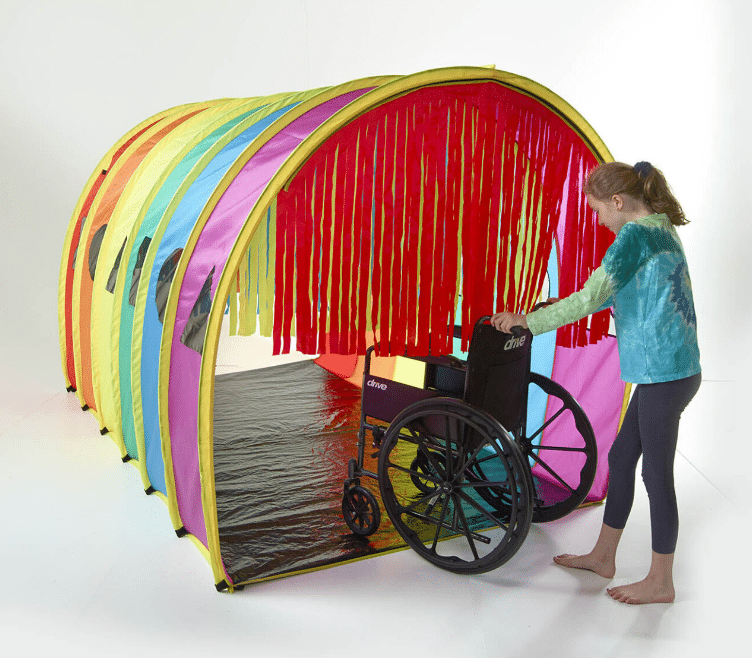
EN1176-9 promotes inclusive playground design.
Inclusive features include:
- Wheelchair-accessible routes
- Transfer platforms
- Sensory equipment
- Rest areas
Inclusive design ensures all children benefit from outdoor play.
FREQUENTLY ASKED QUESTIONS:
Is EN1176 legally required?
While not directly mandated in law, it is the recognised benchmark. Non-compliance may be viewed as negligence.
Does EN1176 apply to domestic garden equipment?
No. Domestic equipment falls under EN 71 toy safety standards.
How often should inspections be carried out?
Daily visual checks, weekly operational checks, monthly inspections and annual RPII inspection.
Who can carry out inspections?
Trained staff can conduct routine checks. Annual inspections should be completed by RPII-qualified inspectors.
What documentation should suppliers provide?
Declaration of conformity, installation instructions, maintenance guidance and warranty information.
Conclusion
EN1176 safety standards provide the framework for safe, compliant playground equipment across the UK and Ireland.
Understanding these standards allows schools, councils and commercial operators to meet their duty of care obligations while creating engaging outdoor environments.
Working with compliant suppliers and maintaining structured inspection regimes ensures children can enjoy safe, challenging play experiences for years to come.